


Youth Mentoring:
Happier and Healthier Youth, Happier and Healthier Communities
Mentoring relationships are a core component of healthy human development, offering support at key moments in our lives, teaching us skills and expanding our opportunities, and filling gaps in each person’s network of support as we strive for our goals and transition into adult life.
Mentoring is also a cornerstone of healthy, vibrant communities, places where the citizens care for one another, where divisions and disparities are addressed collaboratively, where everyone’s potential can be reached, and everyone contributes to the greater good.
Unfortunately, not all young people get these relationships – 40% of today’s young people grow up without ever having a mentor.1 And many American communities have yet to maximize the mentoring support they offer young people. That’s where the work of MENTOR comes in.
The Impact of Mentoring on Young People
Major studies of mentoring programs and the relationships they provide have found that quality mentoring experiences…
- Produce positive impacts on almost every aspect of a young person’s life – education, mental health and wellbeing, development of a healthy identity and sense of belonging, positive engagement in the community, and successful transition into higher education and career paths.
- Help young people avoid negative behaviors and overcome challenges when they arise.
- Have a positive impact on multiple areas of a young person’s life simultaneously – the flexibility and consistency of mentoring provides multi-faceted support over time, unlike many single-focus programs or short-term interventions.
Learn more about the impact that mentoring has on the lives of America’s young people:






We know this impact extends well into adulthood, as well — 75% of all Americans who had a mentor growing up said that relationship was a major contributor to their success in life.36
And mentors themselves see this impact — a study by MENTOR found that those who mentored within programs felt that they contributed strongly to student success, reduced violence and delinquency in their community, increased economic opportunity, and ensured that strong morals and values were passed on to the next generations.37

The Impact on Adults Who Mentor
Our research indicates that about a quarter of American adults mentor a child in their life in some capacity each year. However, only 10% do so through a program in their community or workplace that is intended to provide access to mentors.38 MENTOR’s work hopes to greatly expand this engagement in the years ahead.
Mentors get so much out of this experience, and not just a sense of “giving back.”
Mentors experience tremendous joy and personal growth, with one study39 finding that:
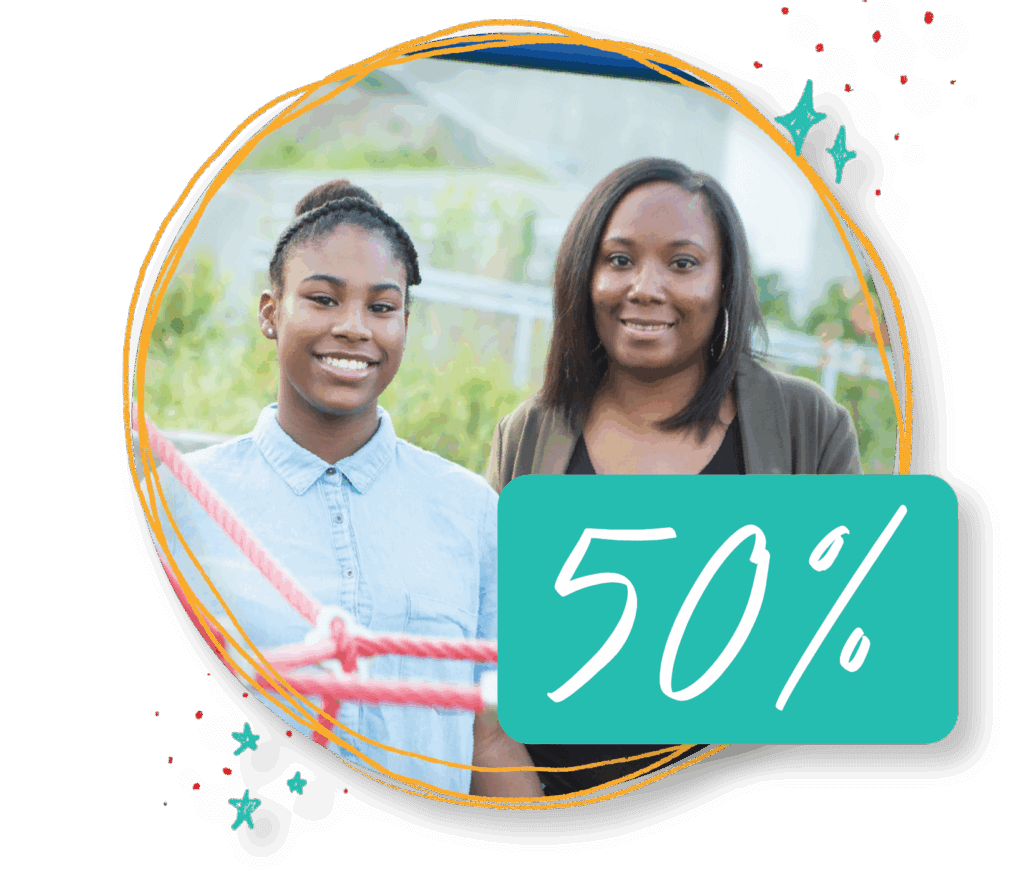
of mentors in programs said they found a heightened sense of purpose in their life
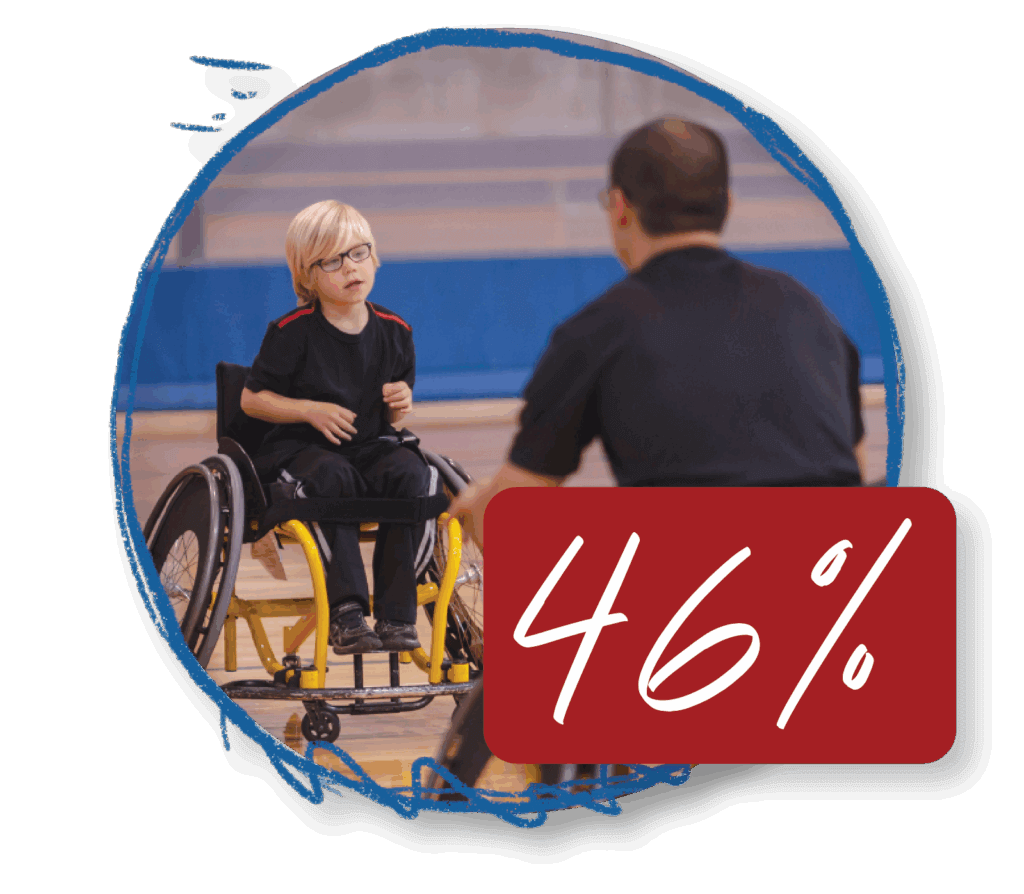
had fun new experiences
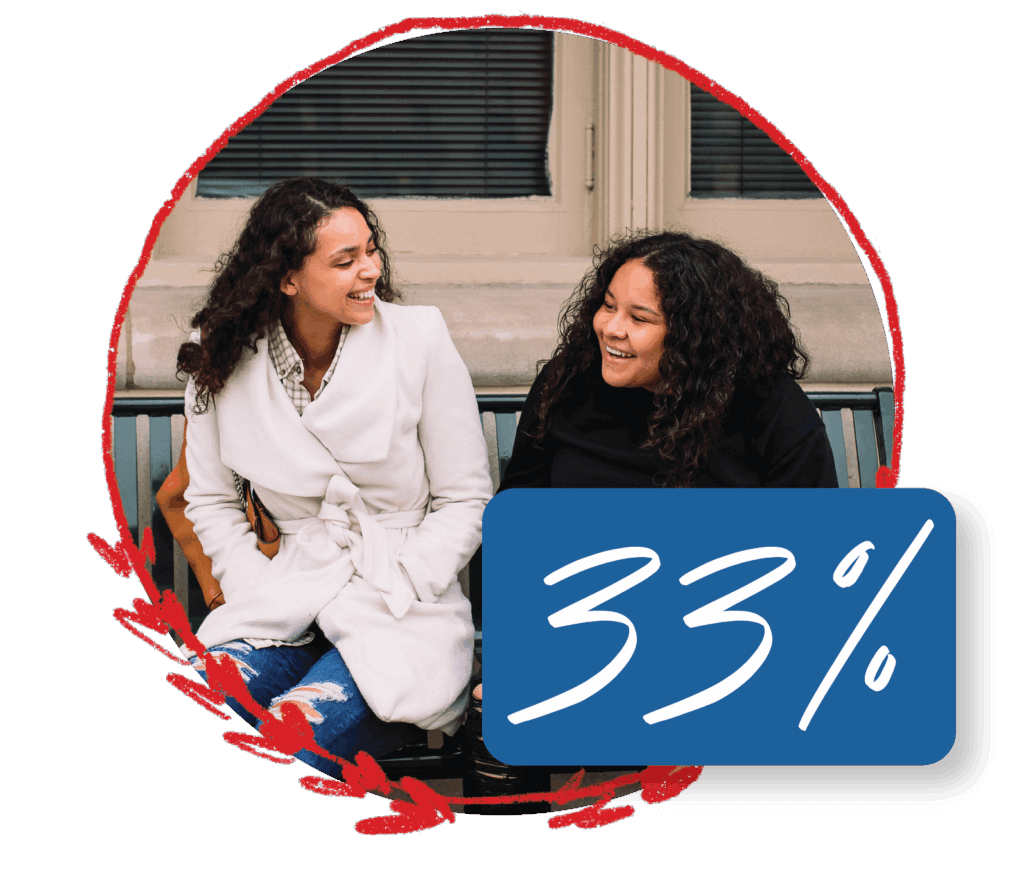
said they gained better communication skills and skills that were helpful to their careers
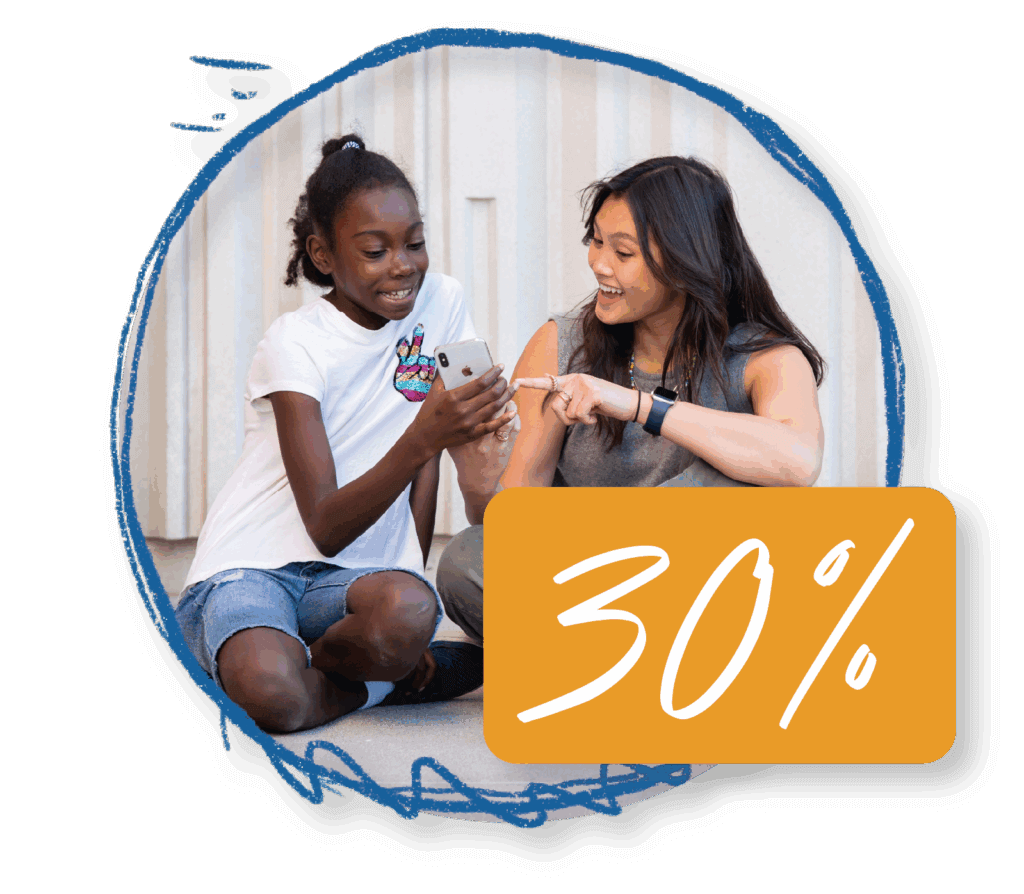
found increased exposure to, and understanding of, other cultures and groups in their community
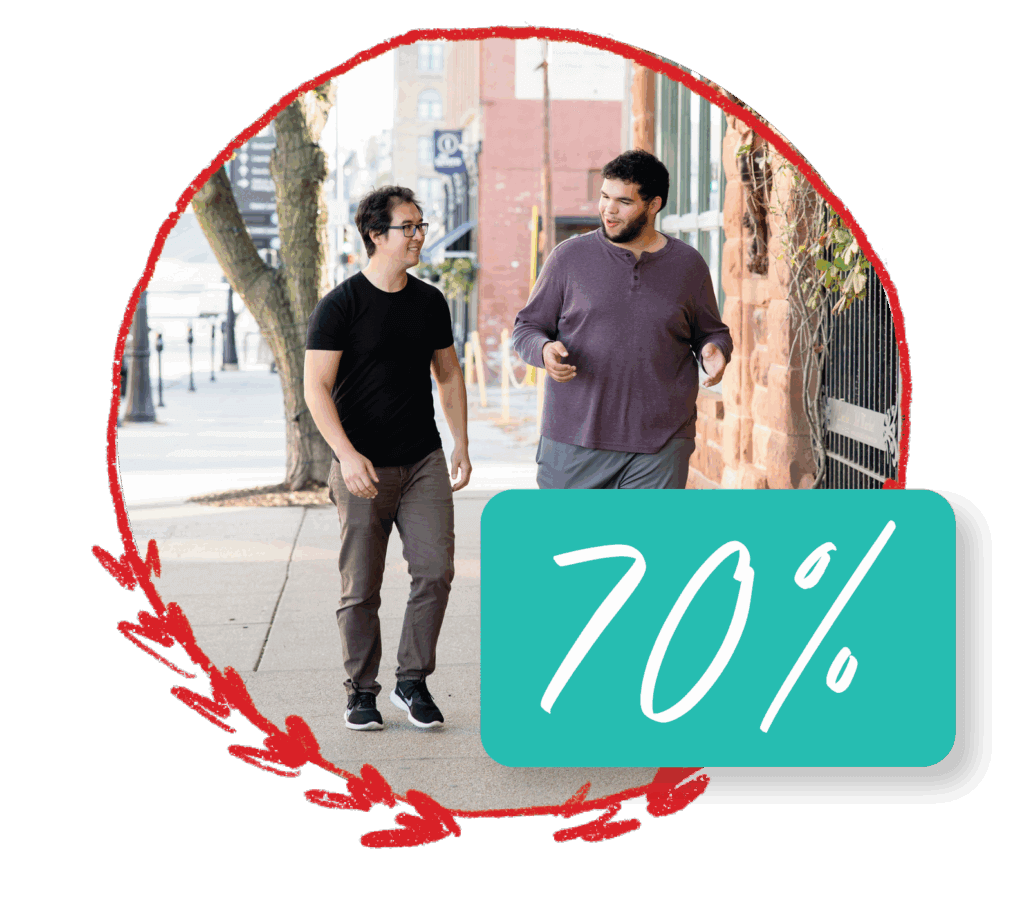
of mentors in programs found their relationships with a young person to be highly satisfying –
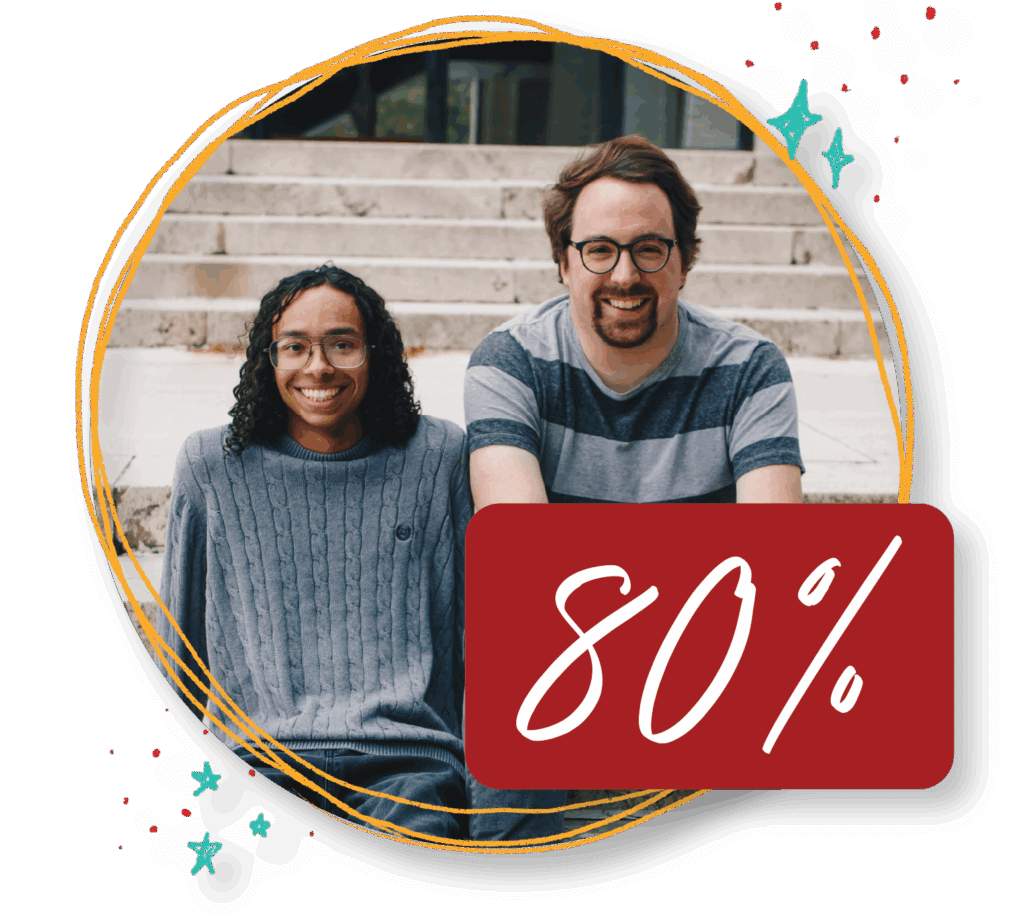
indicated they would keep mentoring after their current relationship was over and 76% said they would recommend the experience to friends and family
Research by MENTOR has also highlighted the benefits from the involvement of the business sector in mentoring. Employees who serve as mentors in the community with their employer’s support reported significantly higher levels of job satisfaction and career satisfaction, thought more highly of the companies they worked for, and were more than twice as likely as non-mentors to feel like their community was stepping up to meet the needs of young people.40
But we need more mentoring…
40%
of young people grow up without ever having a mentor
67%
of all young people can remember a time growing up when they needed a mentor, but didn’t have one
1.8 million
young adults said they had virtually no adult support growing up
This is why we build this movement.
Click here to learn more about how MENTOR expands access to mentoring for all.
Citations
1 Garringer, M., & Benning, C. (2023). Who mentored you? A study examining the role mentors have played in the lives of Americans over the last half century. Boston, MA: MENTOR.
2 DuBois, D. L., Portillo, N., Rhodes, J. E., Silverthorn, N., & Valentine, J. C. (2011). How effective are mentoring programs for youth? A systematic assessment of the evidence. Psychological Science in the Public Interest,12(2), 57–91.
3 Raposa, E. B., Rhodes, J., Stams, G., Card, N., Burton, S., Schwartz, S., Sykes, L., Kanchewa, S., Kupersmidt, J., & Hussain, S. (2019). The effects of youth mentoring programs: A meta-analysis of outcome studies. Journal of Youth and Adolescence, 48(3), 423–443. https://doi.org/10.1007/s10964-019-00982-8
4 Lyons. M. D., & McQuillin, S. (2020) Mentoring for enhancing educational attitudes, beliefs, and behaviors. Washington, D.C.: National Mentoring Resource Center, Office of Juvenile Justice and Delinquency Prevention. Available at: https://nationalmentoringresourcecenter.org/resource/mentoring-for-enhancing-educationalattitudes-beliefs-and-behaviors/
5 Balfanz, R., & Byrnes, V. (2013). Meeting the challenge of combating chronic absenteeism: Impact of the NYC Mayor’s Interagency Task Force on Chronic Absenteeism and School Attendance and its implications for other cities. Baltimore, MD: Johns Hopkins School of Education.
6 Raposa, E. B., Rhodes, J., Stams, G., Card, N., Burton, S., Schwartz, S., Sykes, L., Kanchewa, S., Kupersmidt, J., & Hussain, S. (2019). The effects of youth mentoring programs: A meta-analysis of outcome studies. Journal of Youth and Adolescence, 48(3), 423–443. https://doi.org/10.1007/s10964-019-00982-8
7 Herrera, C., Grossman, J. B., Kauh, T. J., Feldman, A. F., & McMaken, J. (with Jucovy, L. Z.). (2007). Making a difference in schools: The Big Brothers Big Sisters school-based mentoring impact study. Philadelphia, PA: Public/Private Ventures.
8 Karcher, M.J., & Berger, J. (2017). One-to-one cross-age peer mentoring: National Mentoring Resource Center model review. Washington, D.C.: National Mentoring Resource Center, Office of Juvenile Justice and Delinquency Prevention. Available at: https://nationalmentoringresourcecenter.org/wp-content/uploads/2017/09/One-to-One_Cross-Age_Peer_Mentoring_Model_Review.pdf
9 Munson, M.R., & Railey, J. (2016). Mentoring for youth with mental health challenges: National Mentoring Resource Center population review. Washington, D.C.: National Mentoring Resource Center, Office of Juvenile Justice and Delinquency Prevention. Available at: https://nationalmentoringresourcecenter.org/wp-content/uploads/2017/11/Mental_Health_Population_Review.pdf
10 Meyerson, D. A. (2013). Mentoring youth with emotional and behavioral problems: A meta-analytic review (Doctoral dissertation). Retrieved from DePaul University College of Science and Health Theses and Dissertations (Paper 56). http://via.library.depaul.edu/csh_etd/56
11 La Valle, C. (2015). The effectiveness of mentoring youth with externalizing and internalizing behavioral problems on youth outcomes and parenting stress: A meta-analysis. Mentoring & Tutoring: Partnership in Learning, 23(3), 213-227, DOI: 10.1080/13611267.2015.1073565
12 DuBois, D. L., Herrera, C., & Higley, E. (2018). Investigation of the reach and effectiveness of a mentoring program for youth receiving outpatient mental health services. Children and Youth Services Review, 91, 85–93.
13 Herrera, C., DuBois, D. L., & Grossman, J. B. (2013). The role of risk: Mentoring experiences and outcomes for youth with varying risk profiles. New York, NY: A Public/Private Ventures project distributed by MDRC.
14 DeWit, D. J., DuBois, D., Erdem, G., Larose, S., & Lipman, E. L. (2016). The role of program-supported mentoring relationships in promoting youth mental health, behavioral and developmental outcomes. Prevention Science: The Official Journal of The Society for Prevention Research, 17(5), 646–657. https://doi.org/10.1007/s11121-016-0663-2
15 Haft, S. L., Chen, T., LeBlanc, C., Tencza, F., & Hoeft, F. (2019). Impact of mentoring on socio-emotional and mental health outcomes of youth with learning disabilities and attention-deficit hyperactivity disorder. Child and Adolescent Mental Health, 24(4), 318–28.
16 Garringer, M., & Benning, C. (2023). Who mentored you? A study examining the role mentors have played in the lives of Americans over the last half century. Boston, MA: MENTOR.
17 Gordon, D.M., Iwamoto, D.K., Ward, N., Potts, R., & Boyd, E. (2009). Mentoring urban black middle school male students: Implications for academic achievement. Journal of Negro Education, 78, 277-289.
18 Sanchez, B. (2016). Mentoring for black make youth: A National Mentoring Resource Center population review. Washington, DC: National Mentoring Resource Center, Office of Juvenile Justice and Delinquency Prevention. Available at: https://nationalmentoringresourcecenter.org/resourc e/mentoring-for-enhancing-career-interests-and-exploration/
19 Aschenbrener, A., & Pryce, J. (2019). Mentoring for American Indian and Alaskan Native youth: A National Mentoring Resource Center population review. Washington, DC: National Mentoring Resource Center, Office of Juvenile Justice and Delinquency Prevention.
20 Allen, T. D., Eby, L. T., Poteet, M. L., Lentz, E., & Lima, L. (2004). Career benefits associated with mentoring for protégé: a meta-analysis. Journal of Applied Psychology, 89(1), 127–136. doi:10.1037/00219010.89.1.127
21 Stelter, R., Melton, T., & Stewart, K. (2021). Mentoring for enhancing career interests and exploration: A National Mentoring Resource Center research review. Washington, DC: National Mentoring Resource Center, Office of Juvenile Justice and Delinquency Prevention. Available at: https://nationalmentoringresourcecenter.org/resourc e/mentoring-for-enhancing-career-interests-and-exploration/
22 Evanciew, C. E. P., & Rojewski, J. W. (1999). Skill and knowledge acquisition in the workplace: A case study of mentor-apprentice relationships in youth apprenticeship programs. Journal of Industrial Teacher Education, 36(2), 24–54.
23 Linnehan, F. (2003). A longitudinal study of work-based, adult-youth mentoring. Journal of Vocational Behavior, 63(1), 40–54. doi:10.1016/s00018791(02)00012-x
24 DiRenzo, M. S., Weer, C. H., & Linnehan, F. (2013). Protégé career aspirations: The influence of formal ementor networks and family-based role models. Journal of Vocational Behavior, 83(1), 41–50. https://doiorg.prox.lib.ncsu.edu/10.1016/j.jvb.2013.02.007
25 Stoeger, H., Duan, X., Schirner, S., Greindl, T., & Ziegler, A. (2013). The effectiveness of a one year online mentoring program for girls in STEM. Computers & Education, 69, 408–418. https://doiorg.prox.lib.ncsu.edu/10.1016/j.compedu.2013.07.03 2
26 Bruce, M. and Bridgeland, J. (2014). The mentoring effect: Young people’s perspectives on the outcomes and availability of mentoring, pp. 28–29. Washington, D.C.: Civic Enterprises with Hart Research Associates for MENTOR: The National Mentoring Partnership.
27 Garringer, M., & Benning, C. (2023). Who mentored you? A study examining the role mentors have played in the lives of Americans over the last half century. Boston, MA: MENTOR.
28 Tolan, P., Henry, D., Schoeny, M., & Bass, A. Mentoring interventions to a_ect juvenile delinquency and associated problems. Campbell Systematic Reviews 2008:16DOI: 10.4073/csr.2008.16
29 Heller, S., Shah, A., Guryan, J., Ludwig, J., Mullainathan, S., & Pollack, H. (2017). Thinking, fast and slow? Some field experiments to reduce crime and dropout in Chicago*. The Quarterly Journal of Economics, 132(1).
30 Heller S. B. (2014). Summer jobs reduce violence among disadvantaged youth. Science, 346(6214), 1219–1223. https://doi.org/10.1126/science.1257809
31 DuBois, D. L., Holloway, B. E., Valentine, J. C., & Cooper, H. (2002). Effectiveness of mentoring programs for youth: A meta-analytic review. American Journal of Community Psychology, 30, 157–197. http://dx.doi.org/10.1023/A:1014628810714
32 Bowers, E. P., Wang, J., Tirrell, J. M., & Lerner, R. M. (2016). A cross-lagged model of the development of mentor-mentee relationships and intentional self-regulation in adolescence. Journal of Community Psychology, 44, 118–138. http://dx.doi.org/10.1002/jcop.21746
33 Karcher, M. J. (2008). The study of mentoring in learning environment (SMILE): A randomized evaluation of the effectiveness of school-based mentoring. Prevention Science, 9, 99–113. http://dx.doi.org/10.1007/s11121-008-0083-z
34 Chan, C. S., Rhodes, J. E., Howard, W. J., Lowe, S. R., Schwartz, S. E., & Herrera, C. (2013). Pathways of influence in school-based mentoring: The mediating role of parent and teacher relationships. Journal of School Psychology, 51(1), 129-142. https://doi.org/10.1016/j.jsp.2012.10.001
35 Portwood, S. G., Ayers, P. M., Kinnison, S. E., Waris, R. G., & Wise, D. L. (2005). YouthFriends: Outcomes from a school-based mentoring program. The Journal of Primary Prevention, 26, 129–145. https://www.researchgate.net/publication/7766776_YouthFriends_Outcomes_from_a_School-Based_Mentoring_Program
36 Garringer, M., & Benning, C. (2023). Who mentored you? A study examining the role mentors have played in the lives of Americans over the last half century. Boston, MA: MENTOR.
37 Garringer, M. & Benning, C. (2018). The power of relationships: How and why American adults step up to mentor the nation’s youth. Boston, MA: MENTOR.
38 Garringer, M. & Benning, C. (2018). The power of relationships: How and why American adults step up to mentor the nation’s youth. Boston, MA: MENTOR.
39 Garringer, M. & Benning, C. (2018). The power of relationships: How and why American adults step up to mentor the nation’s youth. Boston, MA: MENTOR.