


Building Your Capacity for Match Support: Chapter 5
SUPPORTING MATCHES VIRTUALLY
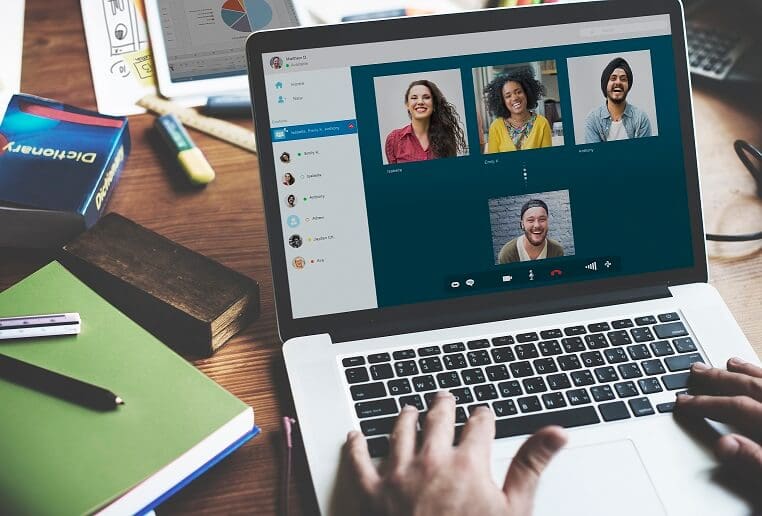
Introduction: Now more than ever, technology provides program staff members with new avenues to connect with mentors, mentees and parents/guardians. Match support activities such as check-ins, trainings and even celebration events can all be facilitated virtually.
Key terms and concepts we’ll explore in this chapter:
- Safety and monitoring in e-mentoring
- Facilitating virtual match activities
- Building online support communities for mentors
- Conducting online celebration events
-
Essential Practices in e-Mentoring Should your program make the switch to virtual mentoring? Consider this thorough list of prompts for working through your thoughts: Guiding Questions if You’re Considering Making the Switch to E-Mentoring.
As part of its plan to transition to an e-mentoring format, Creative Connections has considered how the change will affect participants. Specifically:
- What will be the impact on mentees?
- Will technology access present a barrier to participation for youth? If so, how will the program address it?
- How will the program ensure the safety of youth?
- How will Creativity Connections ensure compliance with the Children’s Online Privacy Protection Act, which mandates measures that protect youth from targeting or exploitation online.
- Which virtual mentoring platforms are available?
- Check out this Virtual Mentoring Portal option, which can be tailored to different age groups.
As a first step in transitioning its match-support practices, Creativity Connections will review E-Mentoring: Supplement to the Elements of Effective Practice for Mentoring and assess what practices need to change using the updated checklist for Standard 5: Monitoring and Support (Pages 36–38).
COVID-19 & Virtual Mentoring
We understand that the COVID-19 pandemic has accelerated and made necessary the need for programs to make immediate and unplanned switches to virtual mentoring. We want to support you in the important and incredible work you’re doing, whether you’ve chosen virtual, in person, or hybrid mentoring during this time.
Additional Resources
- What will be the impact on mentees?
-
Creativity Connections: Sample Program  Meet Creativity Connections, a fictional mentoring program that is in the process of building its capacity for match support. Recently, Creativity Connections shifted from an in-person mentoring model to an online program. Creativity Connections has some match-support practices in place, but it needs help making them more robust and transitioning some of its in-person activities into a virtual space. Read more about Creativity Connections and learn about its goals and challenges related to match support: Introducing Creativity Connections.
 -
BENEFITS & CHALLENGES of E-MENTORING Benefits
- E-mentoring programs can help increase social supports for mentees by giving them access to mentors they might not be able to meet with in person. Youth in rural areas, youth with disabilities, chronically ill youth, and youth looking for a mentor in a specific field of interest are able to build their supports through e-mentoring.
- Positive effects for youth mental health by getting support online.
- Programs can provide more in-depth safety measures for monitoring content when mentoring is done online.
Challenges
- Programs must be prepared to offer technical support to mentees and families, as many youth do not have full time access to wifi or rely on libraries or schools for reliable internet access.
- Many families who do have internet access do not have access to high enough broadband speed and data limits for the necessary e-mentoring video calls.
- Supportive, meaningful e-mentoring can be hindered by the different methods of communication we use when utilizing technology versus in person interactions. Programs need to ensure students are old enough to understand the difference in communication through a screen, and communication via text or email can easily be misconstrued or misunderstood, so diligence and clarity of communication expectations are necessary.
- It can be challenging to sustain a virtual mentor-mentee relationship over the long-term.
Find out more from the E-Mentoring Key Topic Overview from MENTOR Canada!
If you haven’t yet, review the Guiding Questions for deciding whether e-mentoring is best for your program!
-
Virtual Match-Support Activities Using the updated checklist from Standard 5: Monitoring and Support in E-Mentoring: Supplement to the Elements of Effective Practice for Mentoring, Creativity Connections transitioned its match-support activities to a virtual format.
Creativity Connections: Online Match Support Activities Getting matches off to a good start - Sent a digital welcome letter by email
- Scheduled upcoming events with mentors and mentees using online scheduling polls
- Helped their matches setup their first video chat
- Offered a list of remote match activities that can be completed online
Monitoring and supporting
the match- Scheduled support calls by phone and video chat with their mentors (and mentees if needed)
- Hosted an online group mentor check-in
- Documented match check-in calls using an online spreadsheet or documentation tool that their entire team can access
Providing additional support and training - Sent invitations for upcoming match activities using a digital newsletter
- Created an online support community for Mentors
- Offered a webinar series for mentors on advanced training topics
- Organized a virtual peer skill-sharing session for matches
Held a virtual end of year celebration
-
Virtual Match Activities  In its online feedback sessions with mentors and mentees, Creativity Connections learned matches needed additional support thinking of activities they could do virtually.
 Ideas for online match activities:
-
Video and Photo Release Waivers  One way to build community and recognize matches is to share highlights and success stories with other participants. If you want to use photos or video footage of mentors or mentees, be sure to include a photo and video release waiver as part of the application and onboarding process. This waiver should specify the ways you would like to use mentees’ or mentors’ photos on social media or in any marketing materials. Before publicly sharing any photos or video footage, verify that all individuals who appear in the media have signed a waiver.
Suggested practice: Create a video and photo release waiver for mentors and mentees that outlines the use of photos in social media and print materials.
-
Online Support Communities for Mentors  Online support networks for mentors can help increase connectivity and streamline communication. However, program staff members must have the capacity to constantly monitor and engage with these networks to build community — simply setting them up is often not enough.
 Selecting a Platform
Mentors’ comfort is key when choosing a social media platform for an online support community. Facebook and LinkedIn both offer private community groups that mentors might be willing to join. When you are ready:
Initial Engagement- Once mentors have been added to the group (or network), ask them to share a little about themselves and why they became a mentor
- If there are any returning mentors, ask them to share some advice for the new mentors
-
What to Share in an Online Support Community  Program Updates
- Share workshops, survey links, general check-in dates, and/or event registration links
- Ask mentors who will be attending the events to promote them — and if they have ideas for workshops and/or meeting agenda items
- Ask mentors to continue to share progress and updates on their matches
Resources- Share articles that support mentoring best practices (this is a good example)
- Share virtual events, lectures, or workshops that mentors and mentees might be able to attend
- Ask mentors to share resources they have found on their own
Photos and Trends- Share photos from programmatic events — as long as the people in the photos have signed waivers
- Use social media trends (such as “Throwback Thursday”) and national initiatives (such as National Mentoring Month in January) to showcase photos or other digital assets
- Highlight one mentor-mentee match a week
-
Virtual Match Recognition and Celebration  Producing an end-of year online celebration event:
Additional ideas for match recognition: -
Additional Resources